CN
CN  EN
EN 
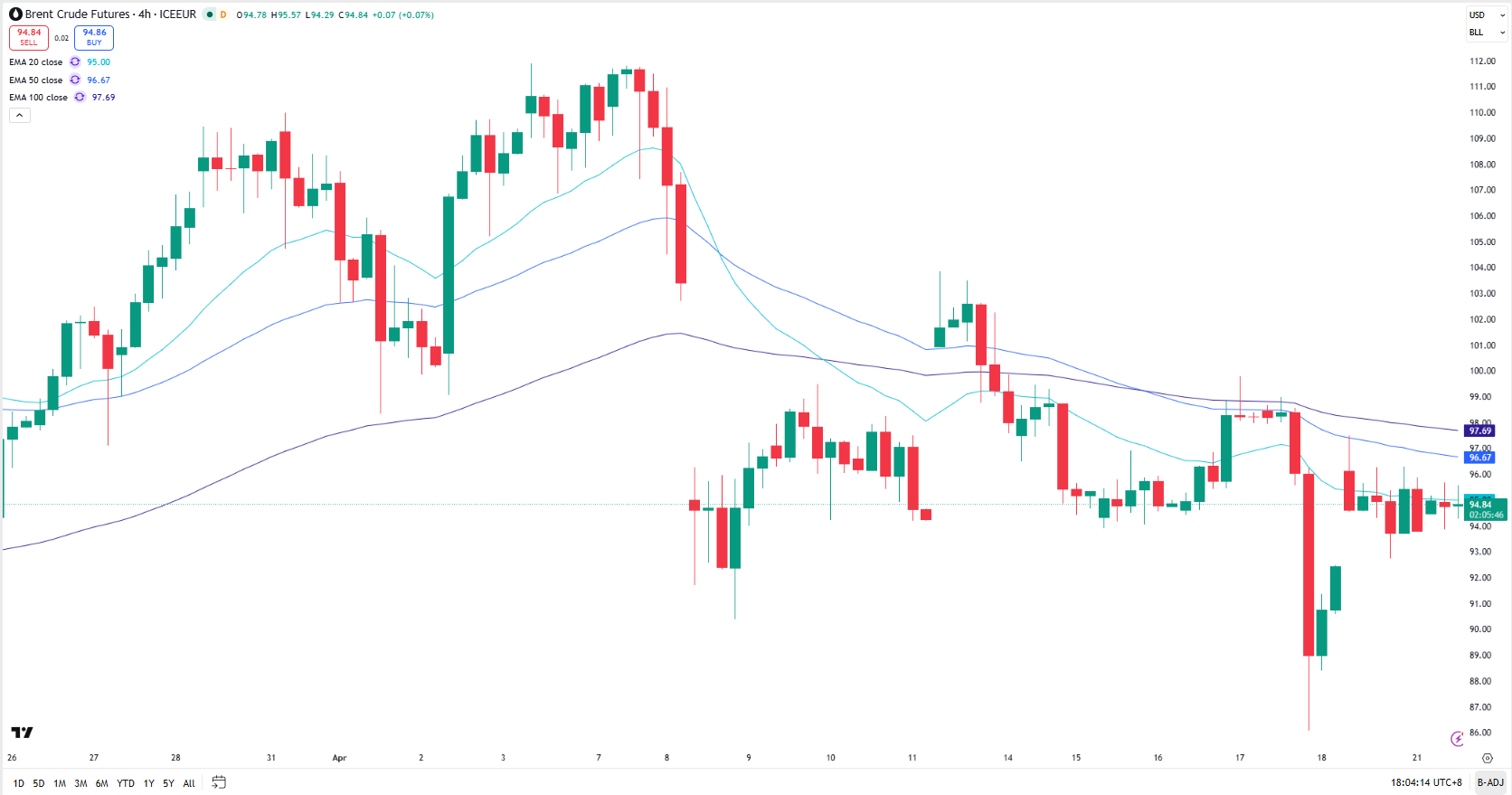
The see-saw in global energy markets refuses to settle, and the past two weeks have once again reminded investors that crude oil is no longer trading purely on supply-demand arithmetic. It is trading on diplomacy, headlines, and at times, sheer political manoeuvering. Prices have swung violently in both directions, reacting almost hour-by-hour to developments surrounding the fragile US-Iran ceasefire and ongoing tensions around the Strait of Hormuz, one of the world’s most critical oil arteries.
Over the last fortnight, oil markets experienced dramatic reversals. Initially, crude prices plunged sharply after the announcement of a temporary ceasefire between the United States and Iran, triggering hopes that tanker flows through the Strait of Hormuz would normalise. At one stage, prices tumbled more than 13–16% in a single session as traders unwound geopolitical premiums built over weeks of escalating conflict. However, that relief proved short-lived. The mood shifted again this weekend after reports of a US seizure of an Iranian vessel and renewed threats around maritime access. As of 11:10 am Singapore Standard Time, the WTI futures traded at $86.63 per barrel, down by -0.90%, while Brent inched down by -0.52% to $95 per barrel.
This kind of volatility is not surprising anymore, but it is certainly unsettling. What remains striking is how frequently global leaders appear to step away from diplomacy only to return under market pressure. At times, political signalling feels as if financial markets are being used as potential bargaining tools. The closure threats around the Strait of Hormuz alone have shown how fragile global supply chains remain.
Despite the intensity of headlines, an equally interesting development is how financial markets have begun to partially sideline geopolitical shocks. Equity markets, currencies, and even risk assets have shown an unusual ability to rebound quickly after initial oil spikes. Investors appear to be pricing geopolitical risks as temporary rather than permanent, treating every escalation as tradable volatility rather than a systemic threat. That behavioural shift is new and potentially dangerous because prolonged geopolitical stress rarely fades without leaving economic scars.
Navigate Micro Crude Oil Futures on NOVA, or prices on related futures, ETFs, CFDs and stocks now. Open an account 此处.
在 NOVA 交易 CFDs、ETF、外汇、期货、期权、贵金属和股票
NOVA 交易功能
- 接通超过 20 个全球交易所 通过超过 20 个全球交易所的 200 多个环球期货产品,把握市场机会。
- 全球股票交易机会 覆盖新加坡、美国、中国、香港、马来西亚及日本市场超过 11,000 只股票和 ETF。
- TradingView 图表支持 查看实时图表,并使用超过 100 种技术指标。
- 真正的多资产交易 通过 NOVA 的单一账簿,交易 CFDs、ETF、外汇、期货、期权、贵金属及股票。
- 美元及新元股票融资利率低至 4.5% p.a.
- 美股碎股低至 1 美元起
以低至 1 美元名义金额开始投资美股碎股,每笔订单佣金为 0.38 美元。