CN
CN  EN
EN 
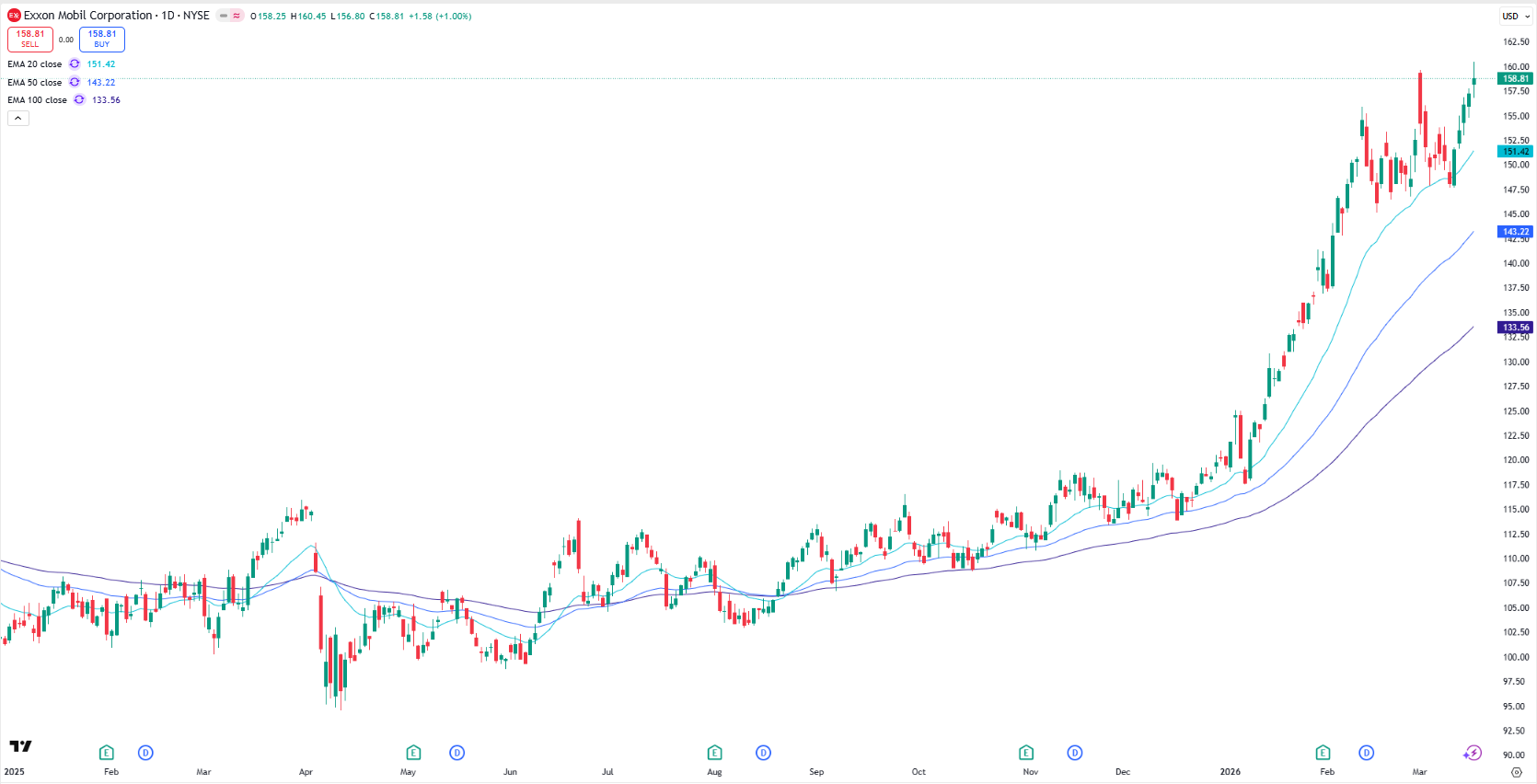
Geopolitical instability in the Middle East has become a key driver of global asset pricing in recent weeks. What began as a source of short-term volatility is now testing the resilience of global supply chains and monetary policy expectations. As markets digest the implications of potential disruptions to key trade routes, attention has shifted toward how long these pressures may persist and whether they could shape the macro environment for the rest of the year.
Energy Markets: The Strategic Chokepoint
The Strait of Hormuz, a conduit for roughly one-fifth of global oil supply and a significant share of LNG trade, remains central to market sentiment. Any disruption, or even perceived risk, has led to a repricing of energy markets.
Crude oil prices, which traded in the low-$70 range earlier this year, have risen sharply and remain elevated, reflecting a persistent risk premium. This highlights how sensitive markets are to supply-side uncertainty and the stability of key shipping routes.
Sector Divergence and Capital Rotation
Equity market performance has diverged, with clear winners and laggards emerging. Energy producers have benefited from stronger pricing dynamics, while defence-related sectors have seen renewed investor interest amid expectations of sustained spending.
At the same time, higher energy costs are weighing on transportation, logistics and aviation. In Asia, import-dependent economies face additional pressure from rising commodity prices and a stronger U.S. Dollar, which tends to act as a safe-haven during periods of uncertainty.
The Macro Dilemma: Inflation and Policy
Elevated energy prices present a renewed inflationary challenge. Rising fuel and input costs can create second-round effects across the broader economy, complicating the path for central banks.
Policymakers that had previously signalled a shift toward easing may now face a more complex environment, raising the risk of a more stagflationary backdrop, where growth moderates even as inflation remains elevated. This has contributed to a repricing in fixed-income markets, with expectations for rapid rate cuts becoming less certain.
Positioning in a Volatile Environment: Sectors, Stocks and ETFs in Focus
Periods of geopolitical uncertainty often lead to sector rotation rather than broad market exits, with capital flowing toward areas that either benefit from or are more resilient to supply-side shocks.
Some areas investors are closely monitoring include:
1) Energy Majors such as ExxonMobil (NYSE: XOM, +31.97% YTD) and Chevron (NYSE: CVX, +25.87% YTD), which tend to benefit from elevated crude prices and stronger margins
2) Broad Energy Exposure through ETFs like Energy Select Sector SPDR Fund (AMEX: XLE, +30.87% YTD), offering diversified access to large-cap U.S. energy companies
3) Commodities and Materials Players such as BHP Group (NYSE: BHP, +16.75% YTD) and Rio Tinto (NYSE: RIO, +11.53% YTD), which may benefit from supply constraints and resource demand
4) Clean Energy Exposure through iShares Global Clean Energy ETF (NASD: ICLN, +14.04% YTD), as higher fossil fuel prices reinforce long-term transition themes
These segments reflect how capital may reposition during periods of uncertainty, balancing cyclical opportunities with more defensive characteristics.
Market Resilience and the Path Ahead
Historically, markets tend to reprice geopolitical risks quickly. While initial pullbacks were observed, attention has increasingly turned to corporate earnings resilience and the ability of firms to navigate higher costs.
The current environment also points to a broader structural shift, from “just-in-time” efficiency toward “just-in-case” resilience. Whether the current risk premium persists will depend on the stability of key trade routes and how supply dynamics evolve. For now, heightened volatility remains a defining feature of the global market landscape.
Navigate Energy-related Stocks and ETFs on NOVA now. Click here to get started!
Trade CFDs, ETFs, Forex, Futures, Options, Precious Metals, and Stocks on NOVA
Features of trading on NOVA
- 访问 20 多个全球交易所
从 20 多个全球交易所的 200 多个全球期货中捕捉机会 - 全球股票的交易机会
Over 11,000 Stocks and ETFs across Singapore, US, China, Hong Kong, Malaysia and Japan markets. - Charting Powered by TradingView
View live charts and gain access to over 100 technical indicators - True Multi-Asset Trading
Trade CFDs, ETFs, Forex, Futures, Options, Precious Metals and Stocks on a single ledger on NOVA - USD Shares Margin Rate at Only 4.5% p.a
- Fractional Shares from US$1